
As an Amazon Associate, Moose Mulitia earns from qualifying purchases.
Why Binoculars Matter on a Moose Hunt
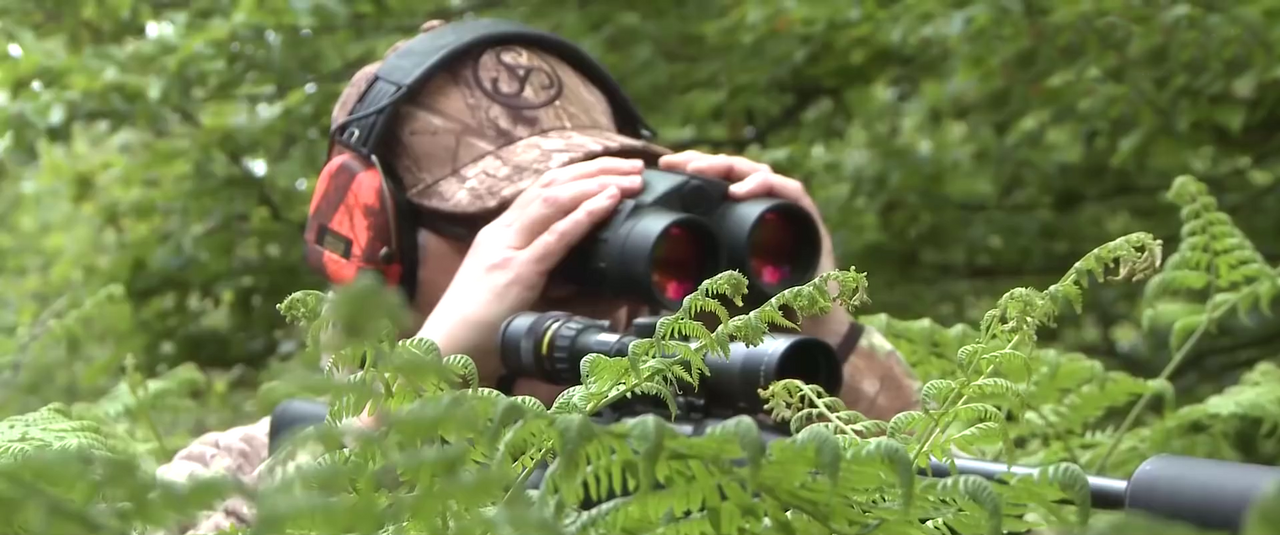
Ask experienced moose hunters what optic they use most, and the answer surprises a lot of newcomers: it’s not the rifle scope. It’s the binocular. On most moose hunts you will spend hours glassing for every minute you spend behind the rifle — picking apart cutblocks at dawn, scanning burns and bog edges at last light, and confirming whether that dark shape in the timber is actually a bull before you plan a stalk or start calling.
Moose are huge, but moose country is huger. A bull standing broadside at 400 yards in flat light can disappear against dark timber if your glass is poor. Quality binoculars don’t just help you find moose — they help you judge them. Is it a legal bull? How wide is the rack? Is there a cow with him? Answering those questions at distance, without spooking the animal, is what separates filled tags from long walks back to camp.
This guide breaks down what actually matters in a hunting binocular, then gives honest picks at every budget — from first-tag affordable to buy-once premium glass.
What to Look for in Hunting Binoculars
Magnification: 8x vs 10x
The two numbers in “10×42” are magnification (10x) and objective lens diameter (42mm). For moose hunting, the debate is almost always 8×42 versus 10×42.
10×42 is the default choice for most moose hunters, and for good reason. The extra magnification helps you pick apart distant hillsides, burns, and cutblocks — exactly the open country where moose feed at dawn and dusk. At 10x you can count tines and estimate spread at ranges where 8x leaves you guessing.
8×42 has real advantages in dense timber: a wider field of view (typically 380+ feet at 1,000 yards versus ~320 for 10x), a brighter image, and noticeably less hand shake. If your hunting is mostly close-quarters boreal forest and calling setups, 8x is arguably the better tool. Many hunters who own both reach for the 8x in thick cover.
Avoid going above 10x for a handheld hunting binocular. At 12x and beyond, hand shake becomes the limiting factor and you’ll want a tripod — fine for a spotting scope, miserable for a binocular you carry all day.
Objective Lens Size
42mm is the sweet spot for hunting. It gathers enough light for the critical dawn and dusk periods — when moose move most — without turning the binocular into a boat anchor. Compact 32mm models save weight but give up meaningful low-light performance, which is exactly when you need glass most. 50mm objectives are brighter still, but the added bulk and weight rarely justify themselves for a binocular you’ll carry for miles.
Glass Quality and Coatings
This is where price differences actually live. Look for ED (extra-low dispersion) glass once you move past the budget tier — it reduces the color fringing and haze you see in cheap glass, especially in difficult light. Fully multi-coated lenses are table stakes at any price; phase-corrected prisms matter for roof-prism designs (which is nearly everything sold today).
Translation for the field: better glass doesn’t just look nicer in the store. It extends your effective glassing time by 15–30 minutes at each end of the day — precisely the window when bulls step into the open.
Waterproofing and Fogproofing
Non-negotiable for moose country. Your binoculars will see rain, snow, river crossings, and brutal temperature swings. Look for waterproofing rated to IPX7 (submersible) or equivalent, and nitrogen- or argon-purged bodies that prevent internal fogging when you step from a warm tent into freezing dawn air. If a binocular isn’t fully sealed, it’s not a hunting binocular.
Eye Relief, Field of View, and Weight
If you wear glasses, demand at least 15mm of eye relief (16–18mm is better). Field of view matters more than most buyers think — a wide view lets you scan country faster and track moving animals. Weight is a real factor on a 10-day hunt: the difference between a 1.3 lb and a 2 lb binocular is one you’ll feel by day three. For moose hunting, stay under about 1.8 lb unless you have a specific reason not to.
Warranty
Hunting gear lives a hard life. A no-questions lifetime warranty (Vortex’s VIP warranty is the famous example, and Leupold’s is similarly strong) is worth real money — binoculars get dropped, rained on, and bounced around in trucks. Factor the warranty into the price comparison.
Best Binoculars for Moose Hunting by Budget
Prices shift with sales and seasons, so think of these as tiers and check current pricing before you buy. Every pick below is a roof-prism, waterproof, fogproof 10×42 unless noted — the configuration the vast majority of moose hunters should buy.
Best Budget: Under ~$200
Vortex Crossfire HD 10×42. The default answer for a first hunting binocular, and an honest one. Bright enough for dawn and dusk, fully sealed, and backed by the unconditional lifetime warranty. You give up some edge clarity and low-light performance versus the next tier, but nothing else this affordable is this complete. Our moose hunting gear checklist lists it as the value baseline for a reason.
Nikon Prostaff P3 10×42. Nikon’s budget line punches above its weight with a wide field of view that makes scanning big country fast. A strong alternative if you prefer Nikon’s ergonomics.
Best Value: ~$300–450
Vortex Diamondback HD 10×42. This is the sweet spot for most moose hunters — the point where extra dollars buy visible, field-relevant performance. HD glass, excellent low-light brightness for the money, and the same bulletproof warranty. If you hunt moose more than once or twice, this is where the smart money goes. Countless hunters run this exact binocular for a decade of hard seasons.
Best Step-Up: ~$500–800
Vortex Viper HD 10×42. ED glass, a locking diopter, and noticeably better resolution and color fidelity than the Diamondback. The Viper is the “buy it once” choice for serious hunters who don’t want to pay European prices. It frequently ships with a usable chest harness, which saves you a separate purchase.
Nikon Monarch M7 10×42. Compact, light, and optically excellent — Field & Stream named its predecessor a best-value winner, and the M7 carries that forward with ED glass and strong weather sealing. A great pick if you prioritize low weight.
Leupold BX-2 Alpine HD 10×42. Leupold’s Twilight Max light-management system is genuinely effective at extending glassing time in failing light, and the lifetime guarantee is ironclad. Worth a hard look if dawn/dusk performance is your top priority.
Premium: $2,000+
Swarovski NL Pure 10×42. The best full-size hunting binocular you can buy, full stop — astonishing clarity, huge field of view, and ergonomics that disappear in your hands on long glassing sessions. The price is real, but so is the performance. This is the “last binocular you’ll ever buy” tier.
Zeiss Victory SF 10×42. Swarovski’s eternal rival, with arguably the most natural color rendition in the business and a massive field of view. Choose between the two on ergonomics and personal preference — optically, you’re splitting hairs at the very top.
Honest advice: premium glass is wonderful, but it won’t find you a moose that a Diamondback HD would miss. It finds him earlier and farther. If the budget is a stretch, put the difference toward your hunt fund instead — see our Moose Hunting 101 guide for where that money matters most.
8×42 vs 10×42: Which for Moose Country?
It depends on where you hunt:
- Mostly open country — burns, cutblocks, alpine, prairie edge, big bogs (much of Alaska, western Canada, Newfoundland): 10×42. The reach matters.
- Mostly dense timber — thick boreal forest, calling setups under 100 yards (much of Ontario, Quebec, the Maritimes): 8×42. Wider view, brighter image, steadier hold.
- Truly don’t know / mixed: 10×42. It’s the more versatile default, and the standard recommendation across the industry.
Whichever you choose, pair it with your region’s tactics — our Alaska guide and western Canada guide cover how glassing fits into each area’s approach.
Glassing Tips That Actually Find Moose
Good glass only helps if your technique is sound. A few fundamentals:
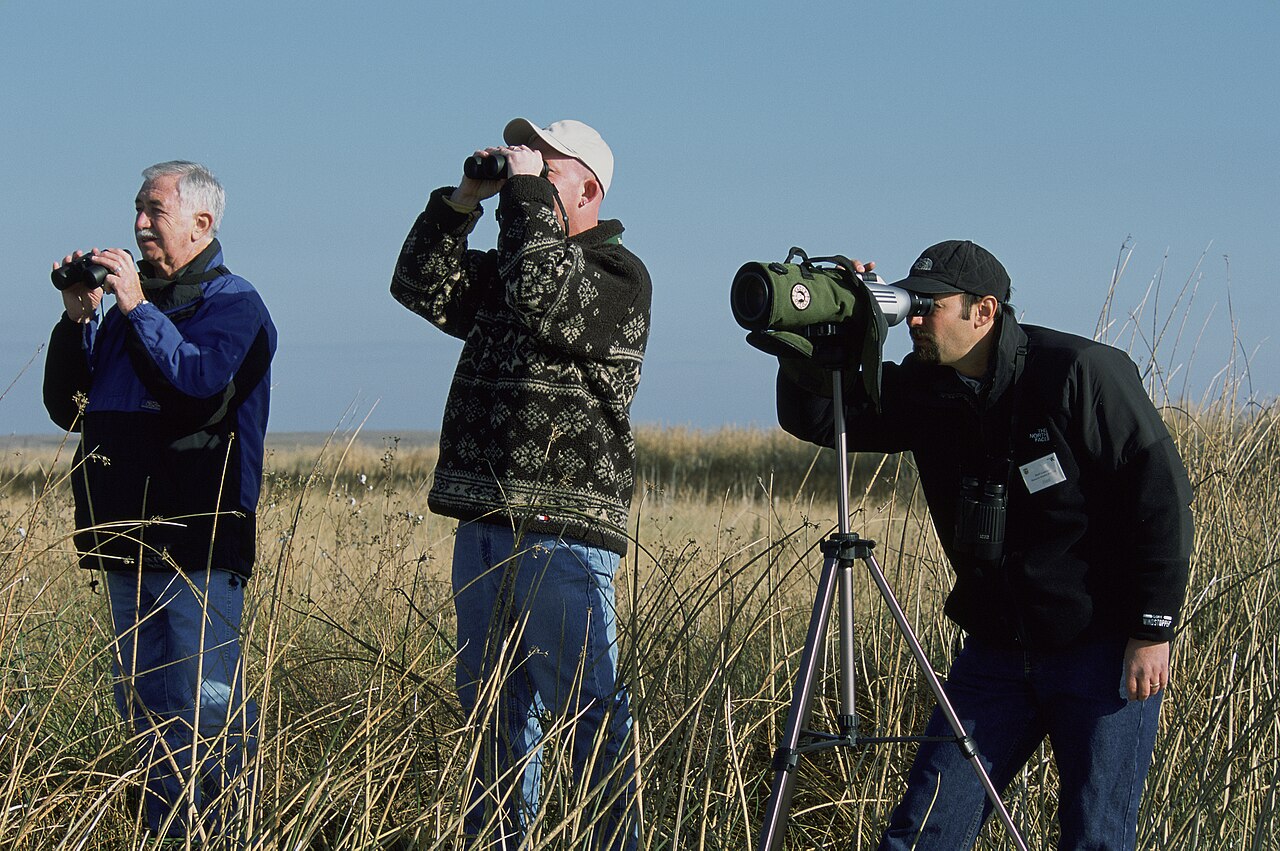
- Glass at first and last light. Moose move most at dawn and dusk. Be set up and glassing before shooting light, not walking in during it.
- Grid the country. Divide the hillside or cutblock into sections and work each one slowly, near to far. Rushing the scan is the most common glassing mistake.
- Look for parts, not wholes. In timber, you’ll rarely see a whole moose first — look for a horizontal back line, a pale antler tine catching light, or legs moving under brush.
- Glass, then call. If you spot a bull at distance, you now know exactly where to set up. Our moose calling guide covers what to do once you’ve located him.
- Use a harness, not the neck strap. A chest harness keeps the binoculars tight, silent, and instantly accessible — and saves your neck on long days. Most hunters who try one never go back.
Don’t Forget the Accessories
A $500 binocular with a terrible carry system gets left in camp. Budget for a chest harness (many mid-tier binoculars include a basic one), a lens pen and microfiber cloth for field cleaning, and rain covers or flip-down objective covers if your model doesn’t include them. These small items protect a big investment — and they’re cheap insurance compared to the cost of the hunt itself. For the full kit, see our rifle scope guide to complete your optics setup, and don’t overlook your feet — our best moose hunting boots guide covers the right footwear for cold, wet moose country.
The Bottom Line
For most moose hunters, a 10×42 in the $300–450 range — the Vortex Diamondback HD being the reference standard — is the right answer: bright enough for last light, tough enough for moose country, and backed by a warranty that means you’ll never buy twice. Spend less if the tag is a one-time adventure; spend more if you’re chasing bulls every fall for the next twenty years.
Whatever you choose, the best binocular is the one that’s on your chest at dawn. Get decent glass, learn to use it, and spend more time looking than walking.
Ready to put them to work? Join the Moose Mulitia community on Facebook to share what you’re seeing in the field this season.