
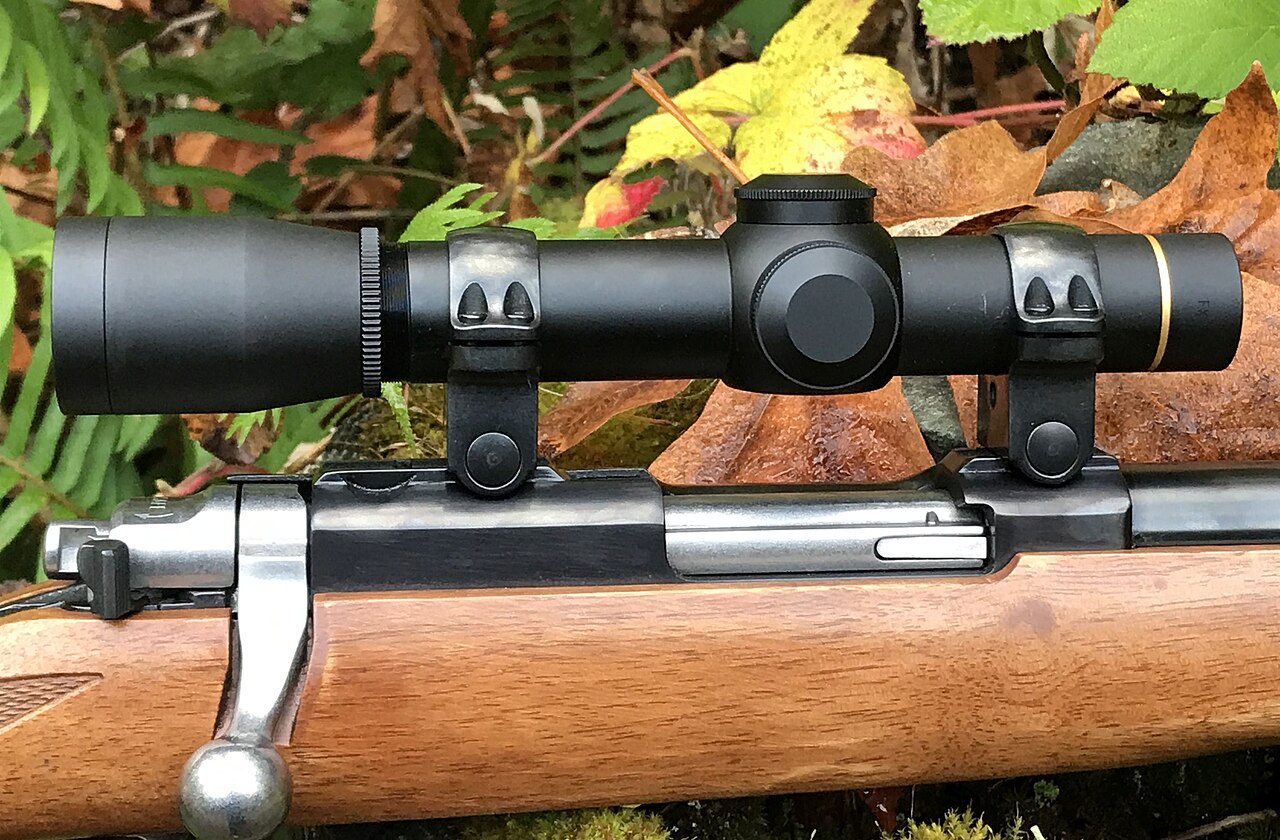
Best Rifle Scopes for Moose Hunting (2026 Buyer’s Guide)
As an Amazon Associate, Moose Mulitia earns from qualifying purchases.
Picking a scope for moose hunting is simpler than the internet makes it look. Most moose are shot under 200 yards, often in terrible light, in weather that kills cheap optics. That narrows the field fast. This guide covers what actually matters, what to avoid, and which tier of scope fits your budget.
What Moose Hunting Demands From a Scope
Three things define the job:
Low-light performance. Moose move at dawn and dusk. The last 20 minutes of legal light is when big bulls step out, and it’s exactly when cheap glass goes blind. Light transmission matters more than magnification.
Durability. Your scope will ride in a truck, get rained on, fog up, freeze, and then absorb the recoil of a magnum cartridge. It has to hold zero through all of it. A scope that loses zero on day three of a fly-in hunt is worse than no scope at all.
Practical magnification. Timber hunting means close, fast shots. Open muskeg or a lake crossing means you might need to reach out. You need a scope that does both without fuss.
Magnification: Less Than You Think
For the vast majority of moose hunting, a 3-9×40 or 2-10×42 is the sweet spot. Here’s why:
- At 3x or 4x, you can find a bull fast in thick timber at 40 yards.
- At 9x or 10x, you can confidently place a shot at 300 yards across a cut.
- Anything beyond 12x is dead weight for moose. You’re not shooting across canyons; you’re shooting across a swamp.
Variable power with a low bottom end (2x or 3x) beats a fixed high-power scope every time in moose country. Leave it on the lowest setting while you walk. You can always dial up; you can’t dial down fast enough when a bull appears at 50 yards.
Objective Lens and Glass Quality
A 40mm to 44mm objective is the practical standard. 50mm objectives gather slightly more light but sit higher on the rifle, snag on brush, and add weight. On a rifle you’ll carry for miles, that trade usually isn’t worth it.
More important than objective size is glass and coating quality. A well-made 40mm scope from a reputable maker will outperform a cheap 50mm every single time, especially in the low light that matters. This is the one place where spending more genuinely buys performance.
Reticles: Keep It Simple
Duplex reticles (thick outer posts, thin center crosshair) remain the best all-around choice for moose. They’re fast to acquire in timber and precise enough at 300 yards.
BDC (bullet drop compensating) reticles have a place if you hunt open country and actually practice with them. If you don’t know your exact drops at each hash mark, a BDC reticle is decoration.
Illuminated reticles earn their keep in the last minutes of legal light. A faint glowing dot or crosshair against a dark bull at dusk is a genuine advantage. They add cost and a battery to manage, so weigh that against how often you hunt the edges of the day.
Avoid busy tactical reticles with Christmas-tree holdover grids. They solve a problem moose hunters don’t have.
What the Tiers Look Like
Prices are approximate street prices and move around. The point is what each tier buys you.
Entry tier (roughly $200–$400). Scopes in this range from established makers like Vortex (Crossfire line), Leupold (VX-Freedom), and Burris (Fullfield) are genuinely usable. Fully multi-coated glass, waterproof and fogproof, lifetime warranties. The glass won’t match pricier scopes at last light, but these hold zero and get the job done. This is the minimum worth buying. Below this price, you’re gambling.
Mid tier (roughly $500–$900). This is the value sweet spot for most moose hunters. Examples include the Vortex Viper line, Leupold VX-3HD, and Burris Veracity. Noticeably better low-light performance than entry tier, excellent tracking, and build quality that shrugs off hard use. If you hunt moose more than once every few years, this is where your money goes furthest.
Premium tier ($1,000+). Swarovski Z-series, Zeiss Conquest, Leupold VX-5HD and Mark 5HD, Nightforce SHV. Superb glass, bombproof construction. Worth it if moose hunting is your main pursuit and you regularly hunt the edges of legal light. Diminishing returns are real, but so is the difference at 6:47 PM in October.
Mounting Matters as Much as the Scope
A great scope in bad mounts is a bad setup:
- Rings and bases: Steel or quality aluminum from a known maker. Match ring height to your objective; lower is better for cheek weld.
- Torque to spec: Use a torque driver, not guesswork. Over-torqued rings crush tubes; under-torqued rings slip under recoil.
- Bore-sight, then verify live: Bore-sighting gets you on paper. Only actual shooting confirms zero, and confirm it with the ammunition you’ll hunt with.
- Check zero after travel. Especially after flying. A hard case is not optional for fly-in hunts.
What to Avoid
- No-name bargain scopes. If the brand has no warranty department, it has no scope worth your tag.
- Excessive magnification. A 6-24x on a moose rifle is a liability in timber.
- Huge objectives on carry rifles. 56mm belongs on a benchrest gun, not a mountain rifle.
- Buying for the longest shot you’ll never take. Set up for the 150-yard shot you’ll actually get, not the 600-yard shot you imagine.
The Short Version
Buy the best glass you can afford from a maker with a real warranty. Keep magnification modest (3-9x or 2-10x), favor low-light performance over features, mount it properly, and verify zero with your hunting ammo. Do that and your scope will never be the reason a hunt fails.
Prices and product lines change. When you’re ready to buy, check current models and look for seasonal sales; optics is one category where last year’s premium scope often becomes this year’s mid-tier bargain.