
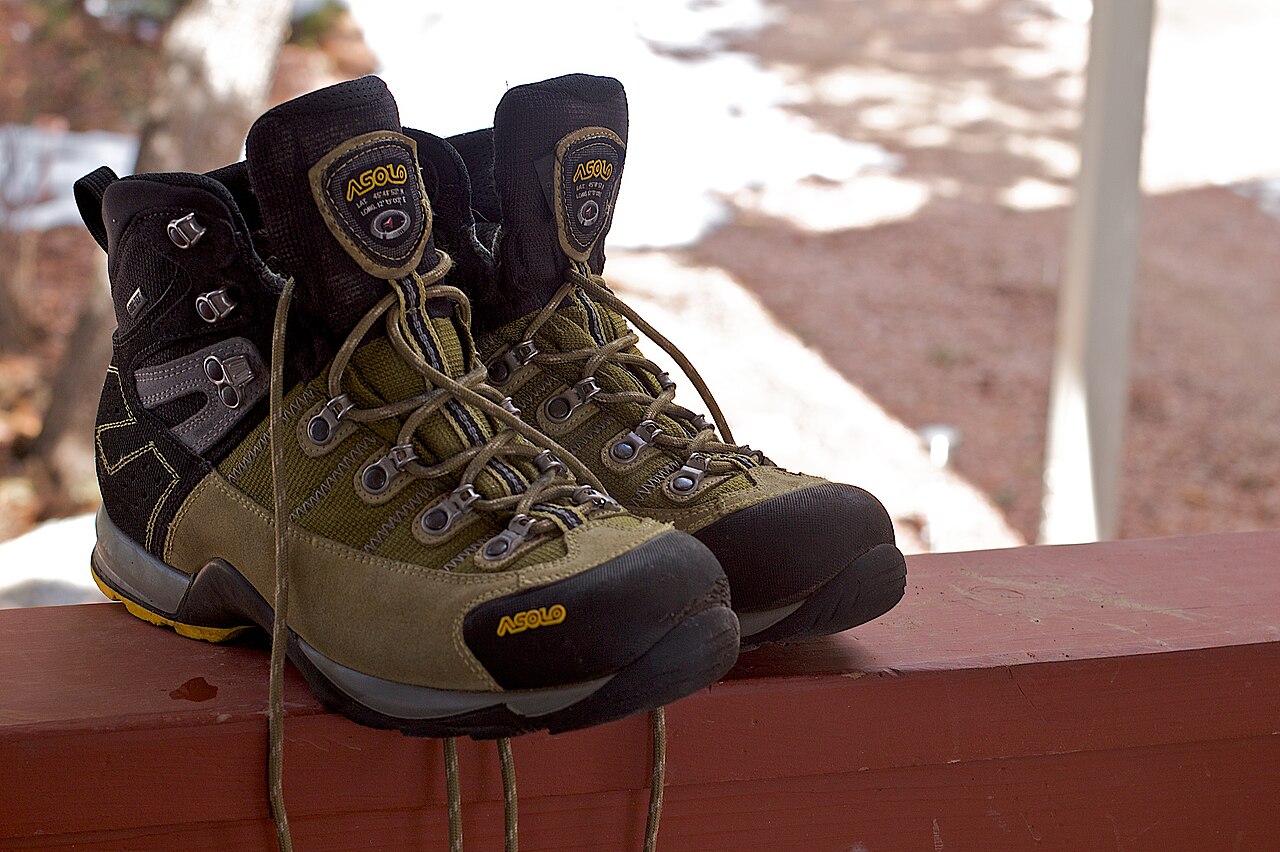
Ask experienced moose hunters what piece of gear matters most, and plenty of them will surprise you: it is not the rifle, the scope, or the call. It is the boots. A moose hunt asks more of your footwear than almost any other hunt on the continent. You will cross beaver ponds and black-spruce muskeg, sidehill through blowdown, sit motionless in freezing pre-dawn air, and — if everything goes right — pack out hundreds of pounds of meat over ground that seems designed to twist ankles. Get your boots wrong and the hunt becomes a week of misery. Get them right and you will barely think about your feet at all, which is exactly the point.
As an Amazon Associate, Moose Mulitia earns from qualifying purchases.
This guide breaks down what actually matters in a moose boot, how to match insulation and construction to the conditions you will face, and which well-established boots hunters keep coming back to at every budget. If you are building out the rest of your kit at the same time, our ultimate moose hunting gear checklist covers everything else you will need, head to toe.
Why Boots Make or Break a Moose Hunt
Most big-game hunting happens in conditions boots were designed for. Moose hunting is different in three specific ways, and each one punishes the wrong footwear.
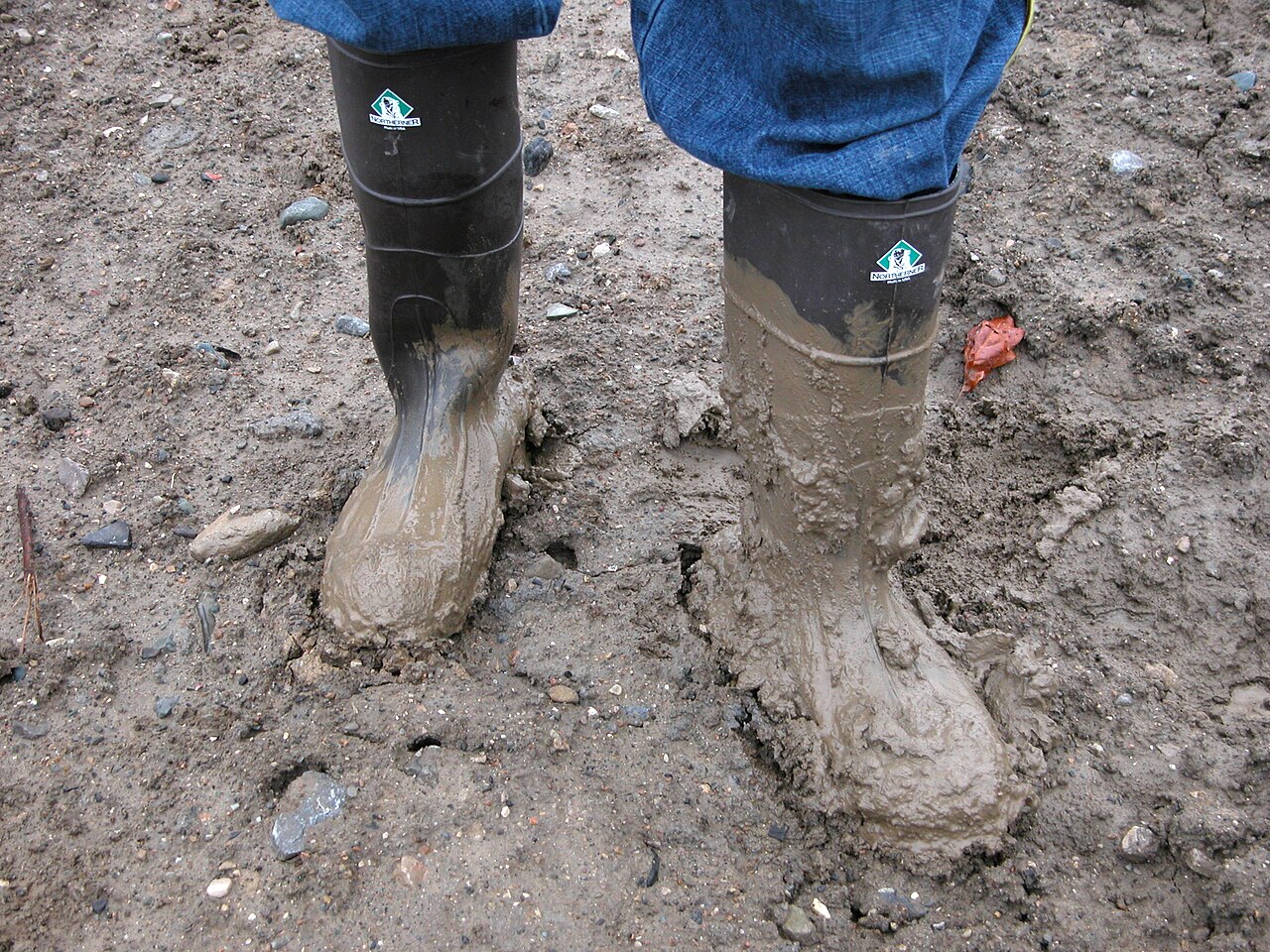
First, water is everywhere. Moose live where the ground is wet: muskeg, marsh edges, beaver flowages, creek bottoms, and rain-soaked boreal forest. September and October in moose country mean standing water, boot-sucking mud, and days of drizzle. A boot that is merely water-resistant will be soaked through by day two, and wet feet in cold weather are the fastest route to blisters, numbness, and a ruined hunt.
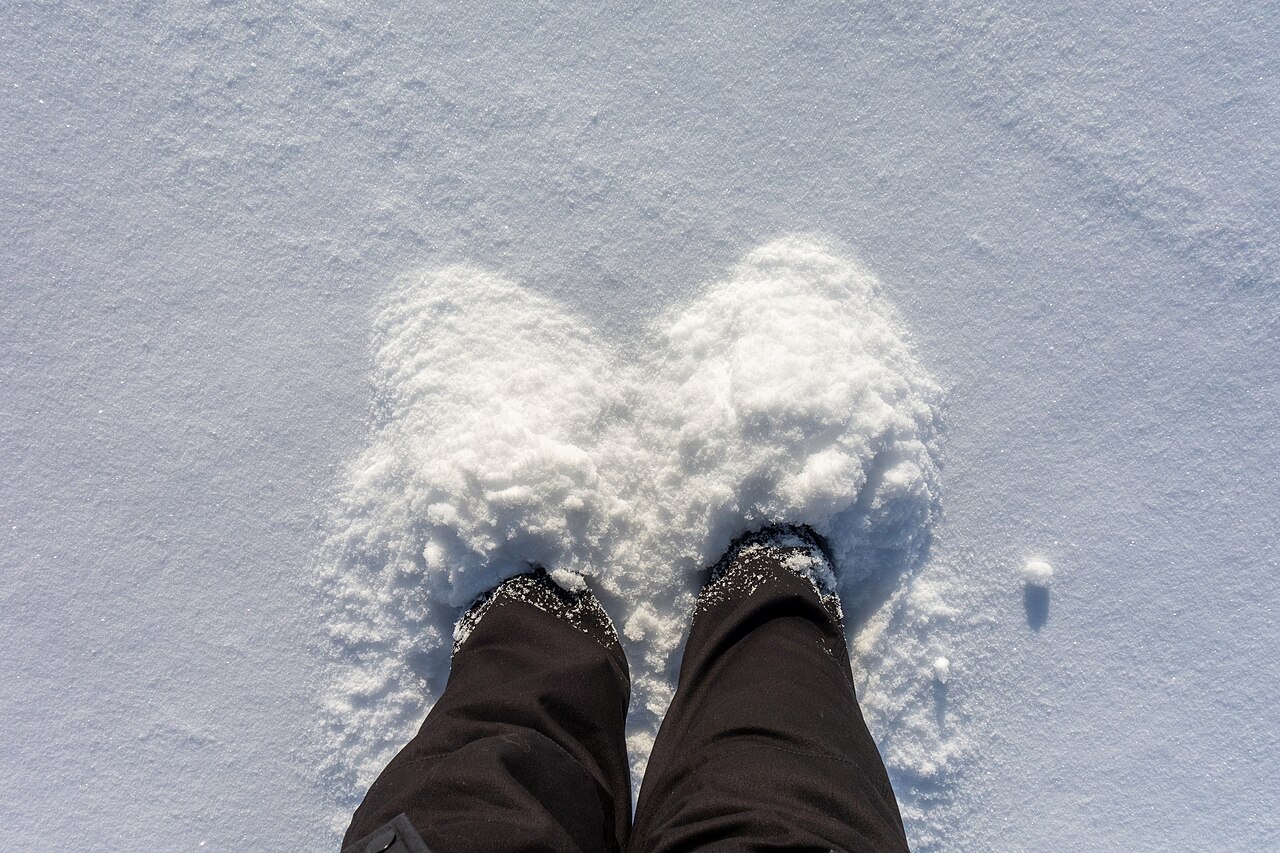
Second, cold comes fast and stays. Moose seasons run through the shoulder of winter across most of the continent. Mornings routinely start well below freezing, and calling setups — where you sit perfectly still for an hour or more waiting for a bull to commit — let the cold creep into anything less than properly insulated footwear. Our complete guide to moose calling covers the tactics, but the tactics only work if you can sit still, and you can only sit still if your feet are warm.
Third, the pack-out is brutal. A mature bull can yield 500 to 700-plus pounds of boned meat, and getting it out means multiple heavy trips over uneven, often wet ground. That is where ankle support and a stiff, stable sole stop being comfort features and start being safety equipment. A rolled ankle ten miles from the truck with a hundred pounds on your back is a genuine emergency.
What to Look for in a Moose Hunting Boot
Boot marketing throws a lot of terminology at you. Here is what each spec actually means for a moose hunter, in plain language.
Insulation: Understanding Grams
Hunting boot insulation is measured in grams per square meter of Thinsulate or equivalent synthetic insulation. The number tells you roughly how much warmth the boot holds, and picking the right number is the single most important decision you will make.
- Uninsulated to 200g: Best for early-season hunts in milder weather or for hunters who run hot and keep moving. Too cold for most October moose hunts, especially any hunt involving long stationary calling setups.
- 400g: The versatile middle ground and the most popular choice for moose hunting. Warm enough for frosty mornings and moderate cold while still breathable enough for active hiking. If you can only own one pair of moose boots, this is the rating to look at.
- 600g to 800g: Serious cold-weather boots for late-season hunts, northern latitudes, and hunters who tend to get cold feet. Noticeably warmer — and noticeably bulkier and less breathable on warm afternoons.
- 1000g and up: Maximum warmth for extreme cold or mostly stationary hunting (treestand-style sits). Overkill for active spot-and-stalk moose hunting in September, but the right call for a late-October or November hunt in the far north.
Be honest with yourself about how your feet handle cold. Hunters who get cold feet should size up one insulation tier from what the calendar suggests. Cold feet end hunts early; slightly warm feet are just a minor inconvenience.
Waterproofing That Actually Works
For moose country, “water-resistant” is not enough — you want a boot with a genuine waterproof membrane (Gore-Tex and similar proprietary membranes are the standard) plus a construction that keeps water out at the seams, tongue, and lace eyelets. Two things to know:
- Membranes work, but they are not magic. A waterproof-breathable membrane keeps outside water out while letting sweat vapor escape — up to a point. On long, hard hiking days your feet will still get damp from sweat, which is why the socks section below matters as much as the boot.
- Rubber boots are the exception. Knee-high rubber boots (the Muck Boot and LaCrosse style) are 100% waterproof by construction — no membrane needed. They are the go-to choice for truly swampy country, beaver-pond crossings, and early-season hunts where you expect to be shin-deep regularly. The tradeoff is less ankle support and less breathability than a laced leather boot.
Whatever you buy, treat the leather or fabric uppers with a silicone or wax-based waterproofing treatment before the season, and re-treat as the manufacturer recommends. A membrane handles internal moisture; the treatment keeps the outer materials from saturating, which is what makes boots heavy and slow to dry.
Ankle Support and Sole Stiffness
Moose country is ankle-twisting terrain: tussocks, hidden holes, slick logs, and sidehills. Look for boots with at least 8-inch uppers that lace snugly around the ankle, a firm heel counter that locks your heel in place, and a shank (a stiff plate in the midsole) that keeps the boot from folding over uneven ground. When you try boots on, they should feel supportive, not floppy — you want the boot to do the stabilizing work so your ankles do not have to.
Tread matters too. Deep, widely spaced lugs shed mud instead of packing full of it, which is what keeps you upright on greasy muskeg. If the outsole looks like a running shoe, keep shopping.
Fit and Break-In
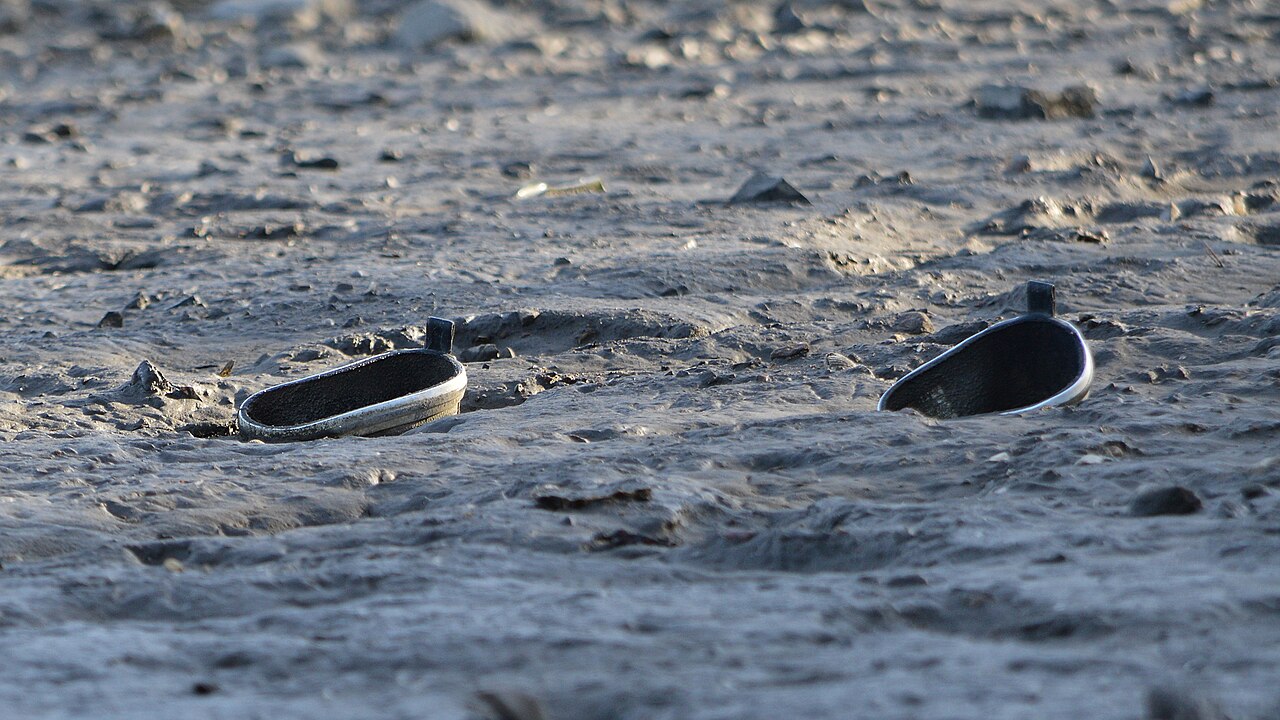
Fit deserves its own section because it outweighs every other feature. The most expensive boot on this list will destroy your feet if it does not match your foot shape, while a mid-priced boot that fits perfectly will carry you happily for a decade. Fit and break-in are covered in detail near the end of this guide — read that section before you buy anything.
Best Moose Hunting Boots by Budget
Below are the types of boots that make sense at each price tier, with well-established example models from real hunting-boot brands. Lineups change every year — new versions replace old ones and prices move — so treat the model names as starting points for your research and check current models and pricing before you buy. What does not change is the type of boot each tier represents, and that is what you should shop for.
Budget Picks: Solid Boots Under Pressure
You do not need to spend a fortune to keep your feet dry and supported. Budget moose boots generally run uninsulated to 400g, use simpler waterproof membranes or treated leather, and may be heavier than premium options — but they get the fundamentals right.
- Rubber knee boots (e.g., Muck Boot Woody series, LaCrosse Alphaburly): For the money, tall rubber boots are arguably the best value in wet moose country. Fully waterproof, easy to slip on and off at camp, and warm enough with good socks for early-to-mid-season hunts. Many moose hunters in swampy country wear these exclusively. Sizing can run roomy, so try them with your hunting socks.
- Entry-level insulated leather hikers (e.g., Irish Setter Deer Tracker / Elk Tracker lines): Irish Setter has been making affordable insulated hunting boots for decades, commonly offered in 400g, 600g, and higher insulation levels. They are heavier and less refined than premium European boots, but they are waterproof, supportive, and proven over countless seasons. Check current models and pricing — the lineup shifts, but the value proposition stays.
- What to expect: more weight, simpler footbeds, and membranes that breathe less well than premium options. Budget boots also tend to need replacing sooner under hard use. For a first moose hunt or an occasional hunter, though, they are completely serviceable.
Mid-Range Picks: The Sweet Spot
This is where most serious moose hunters land — boots in the mid price range that balance weight, durability, waterproofing, and comfort for week-long hunts. Expect 400g insulation options, quality waterproof membranes, and noticeably better fit and finish than budget boots.
- American-made leather hunters (e.g., Danner Pronghorn): The Pronghorn line is one of the best-known names in American hunting boots, commonly available in a 400g insulated version that hits the moose-hunting sweet spot. Comfortable out of the box relative to stiffer European boots, with reliable waterproofing. A longtime favorite for hunters who want proven performance without the premium price tag. Check current models and pricing.
- European hiking-boot DNA (e.g., Meindl comfort-fit models): Meindl boots, built in Europe, have a devoted following among hunters who prioritize fit and long-walking comfort. Their comfort-fit lasts suit wider feet particularly well. Models and insulation options rotate, so check current models and pricing — but the brand’s reputation for out-of-the-box comfort is well earned.
- What to expect: better breathability, lighter weight for the support offered, and construction that holds up to multiple hard seasons. This tier is the best value for a hunter who goes every year.
Premium Picks: Buy Once, Cry Once
Premium moose boots cost real money, but they earn it on hunts where failure is not an option — fly-in trips, backcountry expeditions, and late-season northern hunts. Expect top-tier membranes, the best ankle support in the business, rebuildable construction on some models, and fits refined over decades.
- Stiff mountain hunters (e.g., Kenetrek Mountain Extreme): Kenetrek’s Mountain Extreme, commonly sold in a 400g insulated version, is essentially a mountaineering boot adapted for hunting — extremely supportive, very durable, and trusted on some of the toughest hunts in North America. They are stiff and demand a real break-in period (see below), but for heavy pack-outs over rough ground, that stiffness is the point. Check current models and pricing.
- Italian precision (e.g., Crispi Nevada GTX, Crispi Guide GTX): Crispi has become a favorite among western and northern hunters for boots that combine serious support with a more athletic, precise fit than traditional clunky hunting boots. The Nevada and Guide models are well-established choices; insulation options vary by model, so match the boot to your expected temperatures and check current models and pricing.
- What to expect: the best materials, the most supportive platforms, and boots that can be resoled or rebuilt to last a decade or more of hard use. If moose hunting is an annual pilgrimage, premium boots amortize well.
A note on rubber boots at the premium end: high-end insulated rubber boots (1000g+ neoprene and similar) deserve mention for late-season, extremely wet hunts where nothing else stays dry. They are a specialized tool — superb in their niche, less versatile than a laced leather boot for mixed terrain.
Socks and Foot Care: The Other Half of the System
The best boots in the world will fail you with the wrong socks. Foot care is a system, and boots are only half of it.
- Merino wool, always. Wear quality merino wool hunting socks — never cotton. Cotton holds sweat against your skin, and wet skin blisters and freezes. Merino wicks moisture, cushions, resists odor over multi-day hunts, and stays warm even when damp.
- Consider a liner sock. A thin synthetic or silk liner under your merino sock reduces friction, which is what causes most blisters. This is cheap insurance on a hunt where you cannot afford to be limping.
- Bring more pairs than you think you need. Three to four pairs for a week-long hunt is a reasonable minimum. Changing into dry socks at midday is one of the highest-value comfort moves in hunting — it takes two minutes and transforms your afternoon.
- Dry your boots every night. Pull the insoles, loosen the laces wide, and let boots air out. Never put leather boots directly against intense heat (no campfire roasting, no forced-air heaters on high) — it cooks the leather and delaminates membranes. Stuffing boots with dry newspaper or a camp towel speeds drying.
- Handle hot spots immediately. The moment you feel a hot spot forming, stop and address it — moleskin, athletic tape, or a sock change. Blisters are infinitely easier to prevent than to treat, and a blister on day two of a seven-day hunt is a hunt-ending injury.
Fit and Break-In: Getting It Right Before the Hunt
Read this section twice, because it matters more than any brand name above.
How Moose Boots Should Fit
- Shop in the afternoon, wearing your hunting socks. Feet swell during the day, and you want the fit that matches hunt conditions — not your fresh morning feet in dress socks.
- Toes need room. You should be able to wiggle your toes, and your toes should not hit the front of the boot walking downhill. Downhill toe-bang over a week of moose country will cost you toenails.
- Heel must lock in. Your heel should lift minimally — a quarter inch or less — when you walk. Heel slip is the number-one cause of blisters.
- Width matters as much as length. Many hunters wear boots a half size up but ignore width. If the boot squeezes the sides of your forefoot, try a wide model before sizing up in length — extra length without width just gives your foot room to slide and blister.
- Fit with your insoles. If you use aftermarket insoles or orthotics (many hunters do, and should), bring them to the fitting. They change the internal volume significantly.
Break Them In — Really
New boots straight out of the box on a moose hunt is one of the classic rookie mistakes our Moose Hunting 101 guide warns against. Leather hunting boots — especially stiff premium models — need weeks of break-in, not days.
- Start early. Buy your boots at least a month before the hunt, two if you can. Wear them on daily walks, then on progressively longer hikes with weight in a pack.
- Simulate hunt conditions. Break boots in wearing your hunting socks and, ideally, the insoles you will hunt with. Walk hills, sidehills, and wet ground if you can — flat pavement does not prepare a boot (or your feet) for moose country.
- Rubber boots need less break-in but still deserve a few long walks to confirm fit and identify any rub points before you are miles from the truck.
- The test: if you can do a full day hike in them — 8-plus miles with weight — with no hot spots, they are ready. If not, they are not, and no hunt is worth finding out the hard way.
Taking Care of Your Investment
Good boots last many seasons with basic care, which matters when premium pairs cost what they do.
- Clean after every hunt. Knock off mud, rinse with water (no harsh detergents), and let them dry slowly at room temperature away from direct heat.
- Condition leather regularly. Use a conditioner or wax treatment matched to your boot’s leather type, following the manufacturer’s guidance. This keeps leather supple, water-resistant, and crack-free.
- Store them right. Keep boots in a cool, dry place with the laces loosened and the tongues pulled forward so air circulates. Do not store them compressed in a stuff sack for months.
- Re-waterproof before each season. Even the best DWR treatments and membranes benefit from a fresh silicone or wax treatment at the start of every season.
- Know when to retire them. When the waterproofing no longer holds despite treatment, the midsole is visibly compressed, or the tread is worn smooth, the boots are done — no matter how attached you are. Worn-out boots on a moose hunt are a liability.
The Bottom Line
Boots are the foundation everything else on a moose hunt stands on — literally. Match your insulation to your expected temperatures (400g is the versatile default for most moose hunts), demand genuine waterproofing for muskeg country, insist on real ankle support for the pack-out, and treat fit and break-in as non-negotiable. Do that, and whatever tier your budget lands in, your feet will carry you through the season.
Once your footwear is sorted, make sure the rest of your setup is too — from choosing the right caliber and rifle to the full moose hunting gear checklist. And if you have a boot story or a favorite pair that has survived moose country, share it with the community — we would love to hear what works for you.
Join the conversation: Moose Mulitia on Facebook