
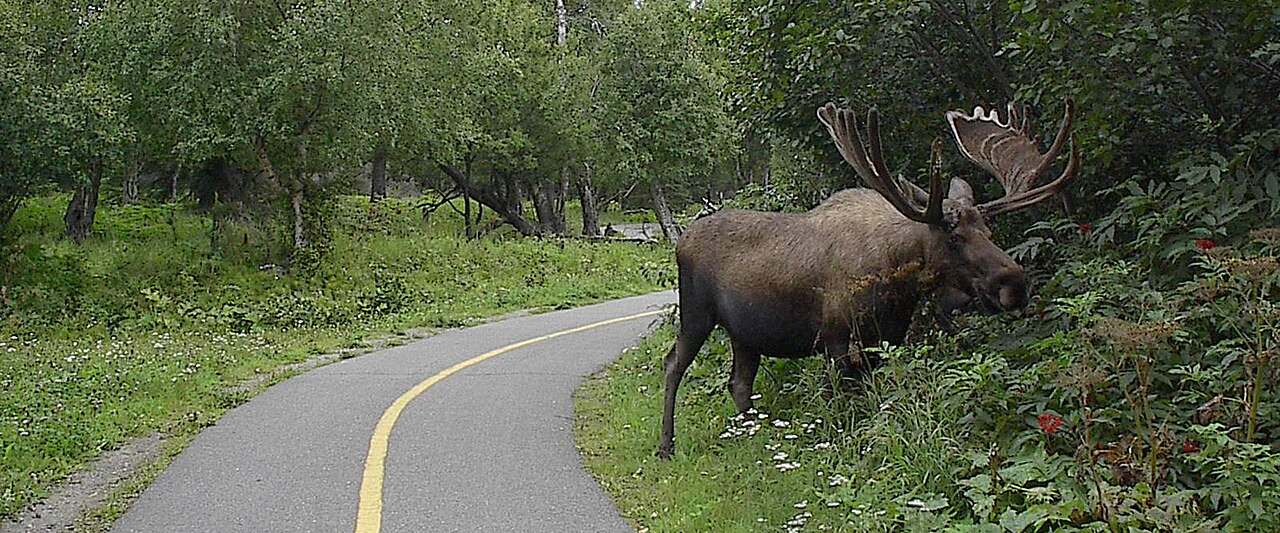
Moose Hunting in Alaska: The Complete Guide
Alaska is the pinnacle of moose hunting. The Alaska-Yukon subspecies produces the largest moose on earth, with bulls pushing 1,600 pounds and antlers stretching past 60 inches. The country is vast, wild, and humbling. It’s also the most logistically demanding moose hunt in North America. This guide covers how the system works, where to go, and what it really takes.
The Tag System, Briefly
Alaska’s system is the most complex on the continent. The short version for planning:
- Residents can hunt many areas on general-season harvest tickets bought over the counter.
- Nonresidents face draw-only hunts in most prime units, with small permit quotas. Some areas require nonresidents to hunt with a registered guide.
- Registration hunts offer opportunity but can close by emergency order when quotas fill.
For the full breakdown of hunt types, antler restrictions, and meat salvage rules, read our Moose Hunting Regulations Across North America guide first. Alaska’s spike-fork / 50-inch / brow-tine rules will make or break your hunt, so learn them cold.
Where to Hunt
Road-accessible units (Units 13, 14, 20). The most accessible Alaska moose hunting. You can drive in, which keeps costs manageable, but you’ll share the country with other hunters. Success comes from hiking farther than the crowd and hunting the weekdays.
Fly-in drop hunts. A bush plane drops you and your gear at a remote lake or strip, then picks you up a week or more later. This is the classic Alaska moose experience: total solitude, unpressured bulls, and complete self-reliance. Units across interior Alaska offer this. Cost is significant (several thousand dollars for the flight alone), and weight limits are strict, often 50–70 pounds per person including food.
River float hunts. Float a remote river, hunting the corridors and calling as you go. Combines transportation and hunting, and rivers concentrate moose. Requires solid wilderness river skills; cold, remote rivers are unforgiving of mistakes.
Guided hunts. For nonresidents especially, a reputable guide solves the tag puzzle, the logistics, and the meat care in one package. Expect five-figure costs for a quality guided moose hunt. Vet outfitters carefully: references, years operating, and hunter success rates.
When to Go
September is the month. The pre-rut builds through early September, peak rutting activity runs mid-to-late September into early October, and calling is at its most effective then. Our Complete Guide to Moose Calling was written with September bulls in mind.
Weather in September ranges from pleasant to brutal, sometimes in the same day. Snow is possible any time after mid-month. Plan for it.
The Logistics That Make or Break the Hunt
Weight is everything. Bush planes have hard limits. Weigh every item before you fly. The Gear Checklist is your starting point; cut ruthlessly from there.
Meat care in the field. Alaska law generally requires meat to stay on the bone until out of the field. Bring more game bags than you think you need, plus citric acid spray for warm early-September days. A bull down five miles from the strip is a multi-day packing job; plan the work before you pull the trigger.
Weather delays are normal. Bush planes don’t fly in bad weather. Build buffer days into your schedule on both ends. Hunters have missed return flights and been stuck for days; that’s part of the deal.
Communications. A satellite communicator is mandatory. There is no cell signal where the moose are.
Rifle and Caliber Notes for Alaska
The .30-06 remains fully capable, but Alaska is where the bigger bores earn their reputation. The .300 Win Mag and .338 Win Mag are the traditional answers for giant bulls at moderate ranges, especially with the quartering shots that tundra and muskeg country produces. Stainless steel and synthetic stocks aren’t optional here; they’re survival gear for your rifle. Full details in our Calibers & Rifles Guide.
Costs: An Honest Breakdown
- DIY resident road hunt: A few hundred dollars in fuel, food, and tags. The cheapest big-game adventure in North America.
- DIY fly-in (resident or drawn nonresident): Several thousand for the air charter, plus gear, food, and tags.
- Guided nonresident hunt: Typically five figures all-in. The tag, the guide, the logistics, and the expertise are all in the price.
Start saving when you start applying. The hunters who go are the ones who planned the money years ahead.
Is Alaska Right for Your First Moose?
Honestly? Probably not, unless you’re going guided. The logistics, the antler restrictions, and the remoteness punish beginners. Hunt Newfoundland, Ontario, or Quebec first. Learn moose. Then come to Alaska for the hunt of a lifetime, with the skills to make it count.
But start applying now. Alaska’s draws reward the patient, and the application you file this year is the hunt you take in five.