
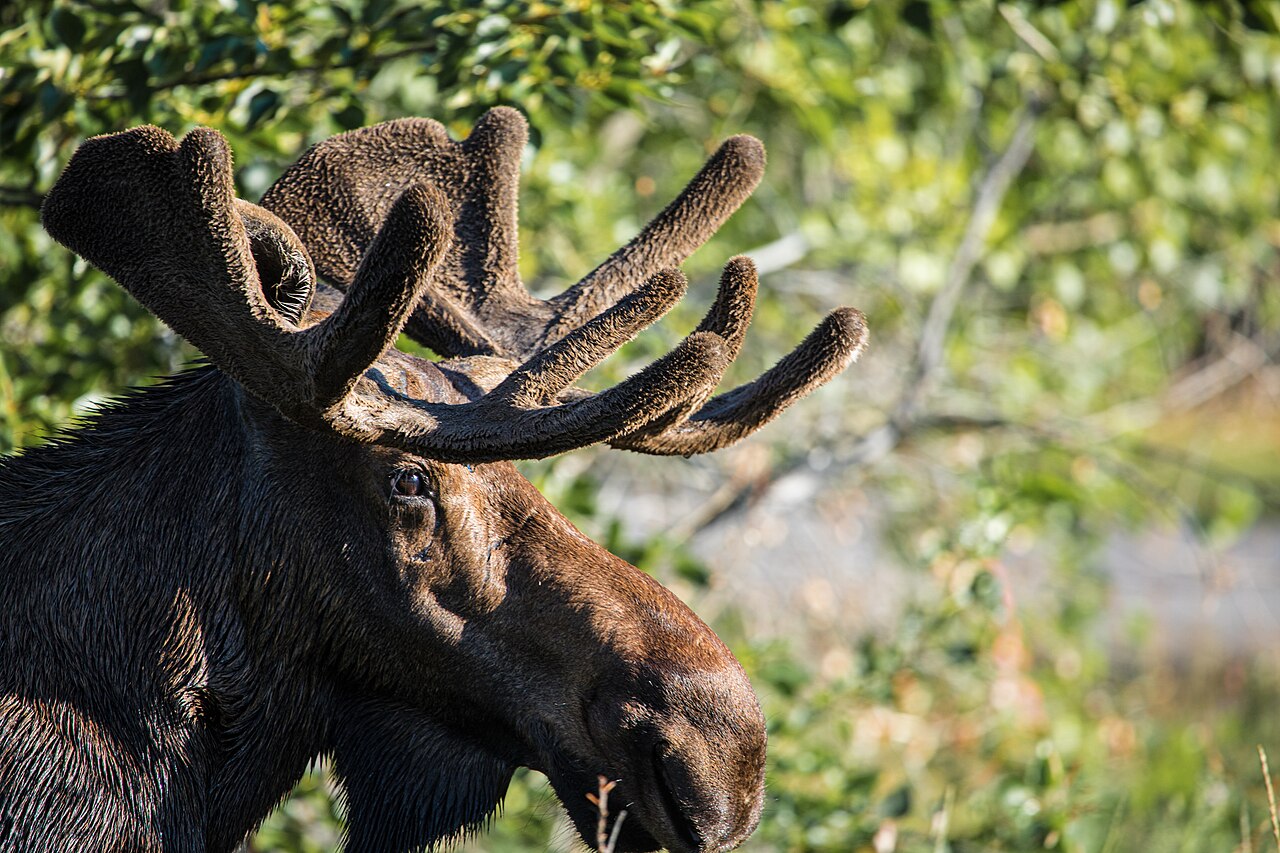
Moose Hunting in Western Canada: British Columbia & Alberta
Western Canada holds some of the finest moose hunting on the continent: vast boreal forest, big Canada moose, and far fewer hunters per square mile than most places. British Columbia and Alberta run different systems but share the same country and the same animal. Here’s how to hunt both.
British Columbia: Two Systems, One Province
BC is the only major moose jurisdiction that runs a true dual system, and understanding it is the key to planning here.
General Open Season (GOS). In many management units, licensed hunters can simply buy a moose tag and hunt. No draw, no waiting. This is your guaranteed season. The trade-off is company: GOS areas get pressure, especially near roads.
Limited Entry Hunting (LEH). A resident-only annual draw for premium hunts with strictly limited authorizations. Better areas, fewer hunters, better bulls. You need a Fish and Wildlife ID (FWID) to apply, and the application deadline lands in early summer, long before hunting season feels real.
The winning strategy: plan your fall around GOS, treat an LEH win as a bonus. Never let a lost draw mean a lost season.
For the regulatory details, see our Moose Hunting Regulations Across North America guide.
Alberta: The Draw Priority Game
Alberta allocates most moose hunting through draws with a priority system: each year you apply unsuccessfully, your priority grows, and higher priority means better odds. It’s a long game by design.
The strategic implications:
- Start now. The priority you build this year is the tag you draw in five years. There’s no shortcut.
- Watch for archery opportunities. Some areas and seasons offer more accessible archery hunting worth considering while you build priority.
- Study the draw odds. Alberta publishes historical draw data. Use it. Applying for a unit that took 8 priority points last year when you have 2 is a wasted application.
The Country: What You’re Walking Into
Western Canada moose country is big timber: spruce, pine, and aspen forest broken by muskeg, cutblocks, burns, and river corridors. Key realities:
Logging roads are the access network. Most BC and Alberta moose hunting starts at the end of a logging road. A reliable truck, good tires, and a willingness to drive rough roads matter enormously. Deeper is almost always better; the first two miles from the road get hunted hard.
Cutblocks and burns are magnets. New growth in logged or burned areas draws moose like nothing else. Learn to read cutblock ages on maps: 5–15 year-old regrowth is prime.
Grizzly country. Much of BC and western Alberta is grizzly habitat. Bear spray on your person (not in your pack), clean camps, and proper meat handling aren’t suggestions. Hunt with a partner where you can.
Weather. September can be glorious or miserable, often both in one week. Snow at elevation is normal by late September. The Gear Checklist was built for exactly this.
Tactics for Western Timber
Calling works beautifully here. Canada moose in good bull-to-cow areas respond aggressively to cow calls through the rut. Set up on the edges of cutblocks and meadows where you have shooting lanes, and run the sequences in our Complete Guide to Moose Calling.
Still-hunting cutblock edges at first and last light is deadly. Move slowly, glass constantly, and always have the wind in your favor.
Rivers and lakes concentrate moose and give you travel corridors. Canoe-access hunting opens country that road hunters never see.
Rifle Notes
This is .30-06 and .300 Win Mag country. Shots range from 50 yards in timber to 300+ across a cutblock, so a versatile setup matters: our Calibers & Rifles Guide and Scopes Guide cover the specifics. Stainless and synthetic are strongly recommended; coastal and northern BC are relentlessly wet.
Planning Timeline
- Winter/spring: Research units, apply for BC LEH (early summer deadline) and Alberta draws. Buy preference where the system allows.
- Summer: Scout on maps and, if possible, on the ground. Learn your access roads.
- September: Hunt the rut. This is when calling peaks and bulls are most vulnerable.
- October: Late seasons can be excellent as pressure drops, though weather gets serious.
The Bottom Line
Western Canada rewards hunters who do their homework: learn the draw systems, build priority patiently, and hunt away from the roads. The moose are there, the country is spectacular, and a September morning in a BC cutblock with a bull grunting back at you is as good as hunting gets.