
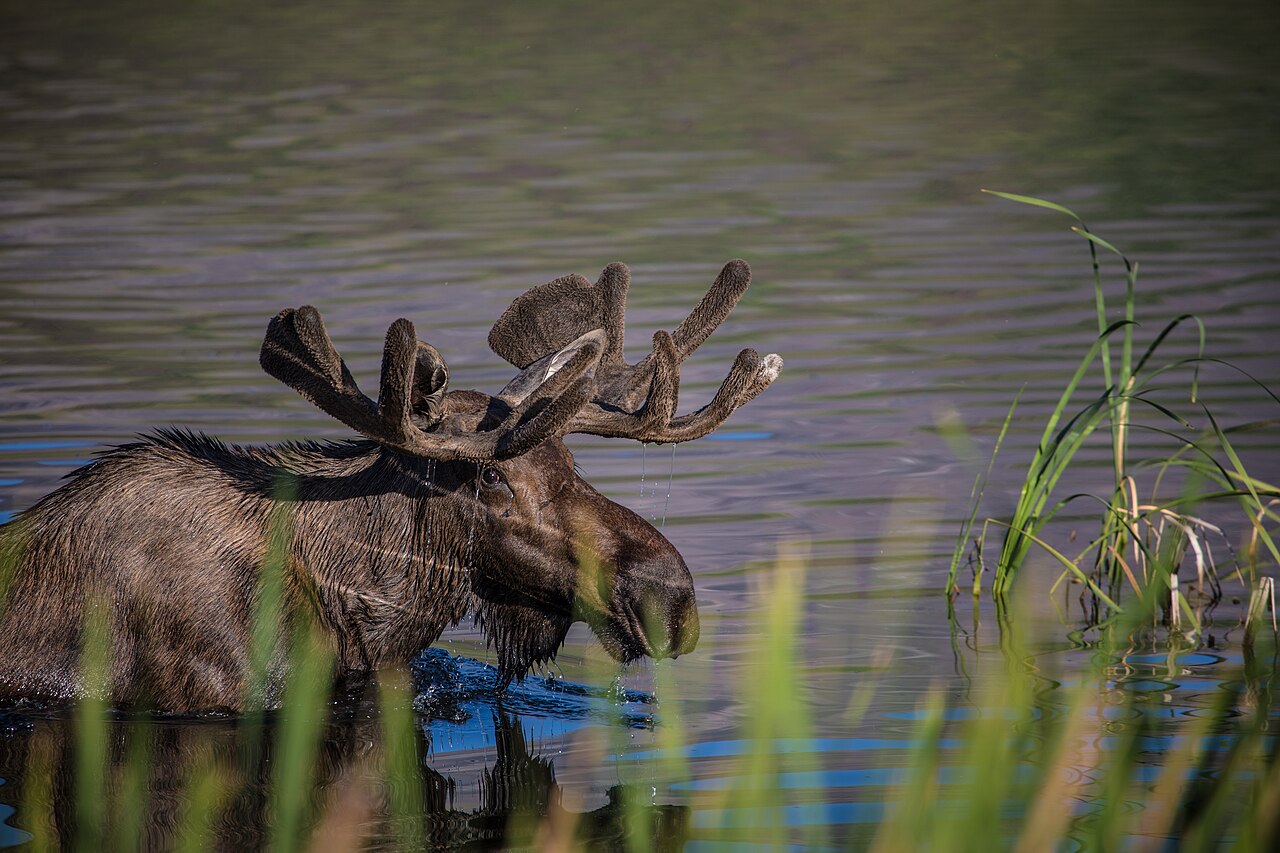
East of Ontario, moose country changes character. The vast boreal forest of Quebec, the windswept bogs of Newfoundland, the hardwood ridges of New Brunswick — this is the historic heart of the eastern moose (Alces alces americana), and it offers some of the most distinctive moose hunting on the continent. The systems here are different from the West: Quebec runs its hunt through wildlife reserves and outfitter territories, Newfoundland manages one of the densest moose populations on Earth through a massive licence draw, New Brunswick rations a small number of tags through one of the toughest draws in Canada, and Nova Scotia — for now — is closed.
This guide breaks down where to go, how the licence systems actually work, when to hunt, and how eastern tactics differ from what works out West. If you’re new to moose hunting entirely, start with Moose Hunting 101 and our North America regulations overview before diving in.
Why Hunt Eastern Canada?
Three reasons keep hunters coming back east. First, moose density: Newfoundland famously holds one of the highest moose densities anywhere — the island’s herd descends from a handful of introduced animals and exploded across ideal habitat. Second, the calling: thick eastern bush makes for intimate, heart-pounding calling encounters at close range. Third, accessibility: for hunters in the northeastern US and eastern Canada, Quebec and New Brunswick are a day’s drive, not a bush-plane expedition.
The trade-off is access to tags. Every eastern jurisdiction rations moose tags tightly, and non-residents face extra layers — outfitter requirements, separate draws, and higher fees. Plan a year ahead, minimum.
Quebec: The Boreal Giant
Quebec is the heavyweight of eastern moose hunting — more moose habitat than the other three jurisdictions combined, and a system built around three pillars: general zones, wildlife reserves (réserves fauniques), and licensed outfitters (pourvoiries) holding exclusive territories.
Licence and draw systems
Quebec runs several parallel systems, and which one applies depends on where you hunt:
- General hunting zones: In most zones, resident hunters buy a moose licence over the counter, but the harvest is tightly restricted — in the majority of zones only moose with antlers (bulls) may be taken, and seasons are short.
- Sépaq wildlife reserves: Sépaq manages 13 wildlife reserves covering more than 40,000 km². Moose hunting in the reserves is allocated by random draw, with registration typically running December 1 to January 15 for the following fall (for 2026 hunts, registration ran December 1, 2025 to January 15, 2026). Winners get an exclusive sector. Only residents may enter these draws.
- Limited female moose licences: A separate draw (registration typically late May to mid-June) allocates a small number of antlerless/female tags by zone, based on population monitoring.
- ZECs (zones d’exploitation contrôlée): Many ZECs run their own quota-based moose hunts with separate seasons.
Non-residents cannot enter the draws. The non-resident path in Quebec runs through licensed outfitters — and this is actually the classic Quebec moose experience: a week at a pourvoirie with a guide who knows the territory’s calling spots, often including meals and lodging.
2026 season timing (selected zones)
Quebec sets seasons zone by zone, and they shift slightly each year — always confirm against the current official tables. For 2026, the pattern looks like this (firearms, moose with antlers unless noted):
- Zones 1, 2, 3, 4: October 17–25
- Zones 10 West, 11 West, 15: October 10–18
- Zones 12, 14, 26, 27: October 10–25
- Zone 13: October 10–25
- Zones 16, 28: September 26–October 16
- Zone 18: September 26–October 12
- Zone 19 South (east): September 19–November 1
- Zones 22, 29: September 19–October 12
Note the split: northern and eastern zones open in mid-to-late September (peak rut), while southern zones run mid-to-late October. The rut is the whole game in Quebec — plan around it. Official source: quebec.ca moose hunting seasons.
Quebec tactics: cutovers and calling
Quebec’s managed forest is a patchwork of logging cutovers (bûchés) regenerating in browse — prime moose feeding habitat. The classic pattern: glass cutovers at dawn and dusk from logging roads, then move into the thick stuff to call. During the rut, Quebec guides lean hard on calling — cow-in-heat sequences mixed with bull grunts — because the dense boreal swallows sound quickly and bulls commit hard when they answer. See our complete moose calling guide for the sequences.
Newfoundland & Labrador: The Moose Capital
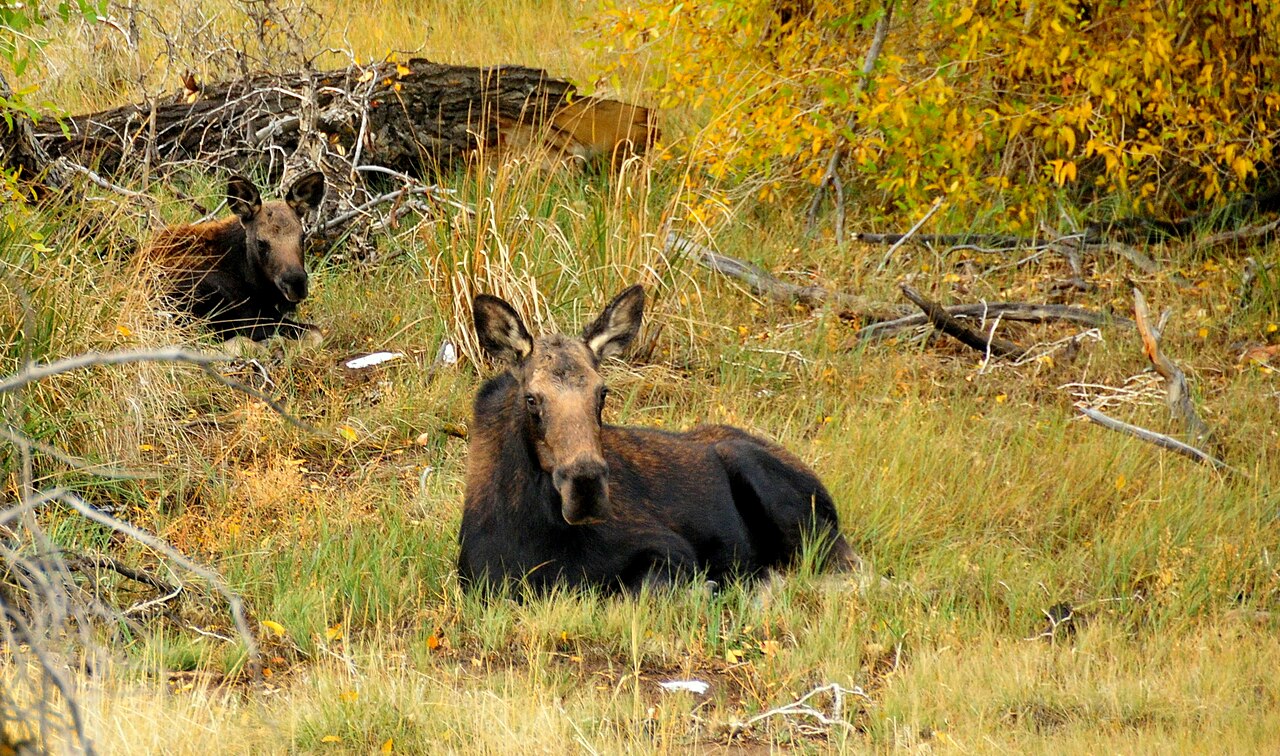
Nobody manages moose at Newfoundland’s scale. For the 2026–27 season the province set a quota of 28,705 moose licences for the Island of Newfoundland alone (20,835 either-sex, 7,390 male-only, plus not-for-profit licences) — an increase of over a thousand from the prior year — plus 348 either-sex licences in Labrador. The island’s herd, founded by introduced animals, is among the densest anywhere.
The big game draw
Resident moose and caribou licences come only through the Wildlife Division’s annual big game draw — there is no over-the-counter moose tag. For 2026–27, resident applications closed May 1, 2026. Eligibility requires Newfoundland and Labrador residency, a Hunter Certificate Number, and hunter education completed by the previous November 30. Applicants must be 16 by August 31 of the licence year.
The province is divided into Moose Management Areas (46 on the island, 24 in Labrador), and you apply for a specific MMA — draw odds vary enormously by area. There are also two Moose Reduction Zones (Avalon MMA 100 and Central MMA 101) along highway corridors, with 1,000 either-sex licences aimed at reducing moose-vehicle collisions; those run September 12–December 31, 2026.
Seasons
Island seasons run from late August through the end of December, giving licence holders a long window (many areas include an early archery-only period). Labrador seasons extend into winter, when snowmobile and aircraft access opens remote country. Official source: NL 2026–27 Hunting and Trapping Guide.
Non-residents: the outfitter route
This is the critical part for visiting hunters: non-resident big game licences are available only through licensed outfitters, and non-resident big game hunters must be accompanied by a licensed guide. You cannot draw a tag yourself. The province manages the non-resident hunt through outfitter allocations specifically to avoid competing with resident hunters — the non-resident season targets remote areas where resident harvest is low.
In practice, this means booking a guided hunt (typically a week, often fly-in or boat-access camps) and the outfitter handles your licence. Budget accordingly: guided Newfoundland moose hunts commonly run several thousand US dollars before travel. You’ll also need a game export permit (free, from Forestry offices or your outfitter) to take meat, antlers, or trophies out of the province, and US hunters should sort out customs declarations for game meat before the trip.
Newfoundland tactics: bogs and patience
Much of the island is open bog, tuckamore, and barrens — made for glassing. Unlike the thick Quebec bush, you can spot moose at long range here, which changes the game: quality binoculars or a spotting scope, wind awareness across open ground, and planned stalks matter more than calling volume. That said, calling still works beautifully during the rut, especially around bog edges at first and last light.
New Brunswick: Small Quota, Big Woods
New Brunswick might be the toughest moose tag to draw in eastern Canada — and that’s exactly why the hunting can be excellent. The province’s moose herd lives in big mixed forest, and low hunter density means bulls get old.
The draws
New Brunswick runs separate resident and non-resident draws:
- Resident draw (2026 tentative dates): applications May 19–June 12, results around July 6, through the Fish & Wildlife Licensing System.
- Non-resident draw: applications January 26–April 30, 2026, results May 19–June 12, with licences to be purchased by June 12 (unpurchased licences get re-offered). A minimum of 25 licences go to non-residents by draw, plus up to 95 allocated to qualified outfitters for sale to non-residents. The application fee is about $42 CAD; the licence itself is $548 CAD.
Non-resident rules are strict: you must hunt with a licensed New Brunswick guide, your licence is valid for one specific Wildlife Management Zone (chosen at licence pickup — your outfitter or guide can advise), and the bag limit is one moose of either sex or any age over a five-day season. One application per person; licences are not transferable.
Seasons
In recent seasons, New Brunswick has run archery moose from mid-September through October and rifle moose through October — but exact 2026 dates, WMZ quotas, and weapon rules are published annually in the Hunt & Trap booklet, so verify before planning. Official sources: GNB moose draw dates and the Hunt & Trap summary.
New Brunswick tactics: hardwood ridges and old cuts
NB moose country is rolling hardwood and mixed forest with old logging cuts. Calling rules here — bulls respond aggressively during the rut — but the relatively open hardwoods mean you should set up with shooting lanes cut in multiple directions. Many successful NB hunts combine morning calling sessions with evening watches over regenerating cuts and beaver ponds.
Nova Scotia: Currently Closed — Know Before You Go
An honest guide has to say this plainly: there is currently no licensed moose hunt in Nova Scotia. The province suspended the Cape Breton moose hunt for three years starting in 2024 after aerial surveys showed the population crashing from roughly 1,500 animals to about 835. The Mi’kmaq have likewise paused their rights-based harvest to let the herd recover. Before the suspension, the province issued around 345 licences a year through a spring lottery.
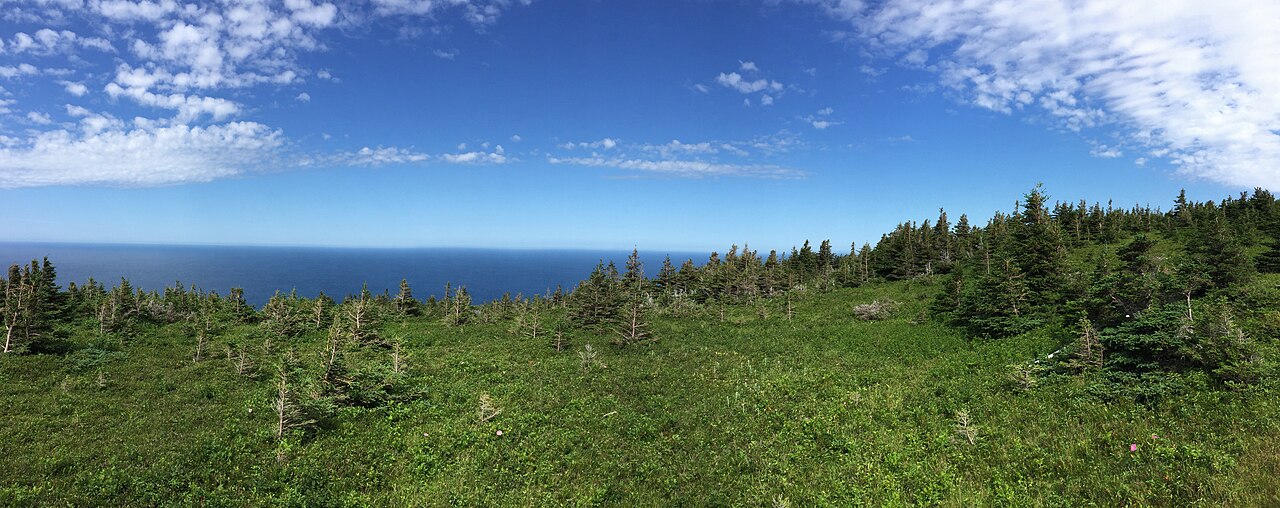
What does this mean for you? Don’t plan a Nova Scotia moose hunt right now. The mainland moose population (a separate, endangered population) has no hunting season at all. Watch for announcements from the Department of Natural Resources and Renewables — if surveys show recovery, the lottery could return. Until then, treat Nova Scotia as a beautiful place to scout future opportunity, not a destination. Official source: Province announcement on the suspension.
Season Timing at a Glance (2026)
| Jurisdiction | General timing | Notes |
|---|---|---|
| Quebec (north/east zones) | Mid-Sept – mid-Oct | Rut-focused; bulls only in most zones |
| Quebec (southern zones) | Mid – late Oct | Shorter windows |
| Newfoundland (island) | Late Aug – end of Dec | Long season; archery periods in many MMAs |
| Labrador | Into winter | Snowmobile/aircraft access |
| New Brunswick | Sept – Oct | Archery then rifle; 5-day non-resident season |
| Nova Scotia | — | Hunt suspended; no season |
Always confirm current dates against the official sources linked in each section — eastern seasons shift year to year.
Tactics by Terrain
Boreal forest (Quebec, northern NB)
Thick, dark, and close. Visibility is measured in yards, so this is calling country: set up where you can hear, not where you can see — logging road junctions, cutover edges, and beaver pond outlets. Keep calling sequences aggressive during peak rut; bulls in thick cover often come silently, so watch your downwind side constantly. A partner watching your back doubles your odds.
Cutovers (Quebec, New Brunswick)
Regenerating logging cuts are the east’s food plots. Moose feed in them at dawn and dusk, especially in September. Glass from the logging road network, then plan a stalk or set up to call from the cut edge. In October, focus on cuts adjacent to thick bedding cover.
Bogs and barrens (Newfoundland)
Open country means glassing country. Get high, get the wind right, and be patient — moose feed out into bogs in the open, and you can watch a bull for an hour before making a move. Calling works along bog edges, but keep your volume moderate; sound carries a long way over open ground and you can overcall.
Calling in the Eastern Woods
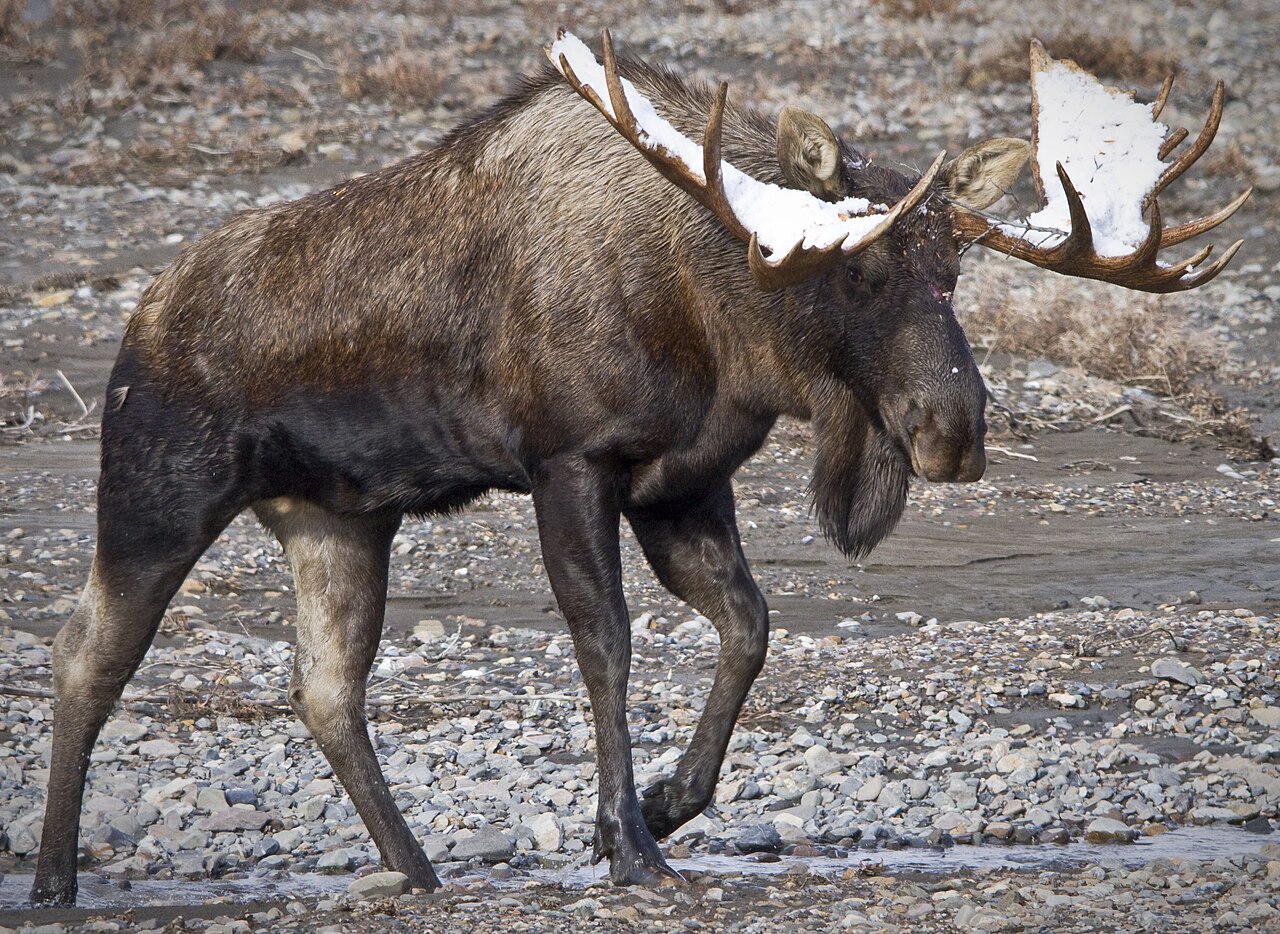
Eastern calling differs from western spot-and-stalk traditions in one key way: you’re usually calling blind. The bush is too thick to spot first, so your setup does the killing — pick a spot with a shooting lane, clear your footing for a silent pivot, and assume the bull will circle downwind.
The sequence that works across Quebec, Newfoundland, and New Brunswick: start with soft cow calls, build to estrus wails, and answer any bull grunt with an aggressive challenge grunt of your own. In thick cover, call more often than you think you should — bulls lose the thread of the sound quickly. Full breakdowns of every call are in our complete moose calling guide.
Rifles and Calibers for Eastern Hunting
Eastern shots run the full spectrum — 30-yard bush encounters in Quebec, 300-yard bog shots in Newfoundland — so versatility matters. The .30-06 remains the eastern standard for good reason: flat enough for the bogs, authoritative in the thick stuff, with ammunition available in every small-town hardware store from Rimouski to Corner Brook. Hunters wanting more reach for open-country Newfoundland lean toward 7mm Rem Mag or .300 Win Mag. Our calibers and rifles guide covers the full list, including what to avoid.
Non-Resident Logistics and Costs
If you don’t live in these provinces, be realistic about the path:
- Quebec: book a pourvoirie (outfitter). Packages vary enormously — from basic cabin-and-territory plans to fully guided, meals-included weeks. Research outfitters through the Fédération des pourvoiries du Québec.
- Newfoundland & Labrador: outfitter-only by law. Book early — the good camps fill a year out. Confirm what’s included (licence handling, meat processing, export permits, travel to camp).
- New Brunswick: two paths — the non-resident draw (cheap licence, but you still need a licensed guide) or buying an outfitter-allocated licence as part of a guided package. As one example, guided 5-day NB moose hunts are advertised around $5,999 USD plus the $548 CAD licence.
Travel notes: Newfoundland means the Marine Atlantic ferry (North Sydney to Port aux Basques or Argentia — book vehicle crossings early) or flights into Deer Lake/St. John’s; Labrador is fly-in country. Quebec’s north is driveable on logging roads but carry two spares, fuel, and a satellite communicator — cell coverage ends early. Review the full gear checklist before you go.
Meat Care in Remote Country
Eastern September can be warm, and a bull moose is roughly 500+ pounds of meat to protect. The non-negotiables:
- Quarter fast, cool faster. Get the hide off and meat into game bags within hours, hung in shade with airflow. In warm weather, consider bagging quarters and submerging them (in waterproof bags) in a cold stream or lake overnight.
- Keep it clean. Bogs and cutovers are dirty; a cape and meat kept off the ground on a pole or tarp saves the harvest.
- Plan the extraction before the shot. In fly-in Newfoundland or far Quebec territories, know exactly how meat gets from kill site to cooler — outfitters handle this routinely, so ask about their process when booking.
- Paperwork. Newfoundland requires a game export permit to take meat out of the province (free from Forestry offices or your outfitter). Quebec and New Brunswick require proper tagging and, for transport, keeping evidence of sex/species attached as regulations require.
Putting It All Together
Eastern Canada rewards the hunter who plans a year ahead: enter the draws in winter and spring (or book the outfitter), scout the rut timing for your zone, and show up with calling skills sharp. The moose are there — Quebec’s boreal, Newfoundland’s bogs, and New Brunswick’s hardwoods hold outstanding bulls for those who do the homework.
Your action plan:
1. Pick your jurisdiction based on residency and how you want to hunt (DIY draw vs. guided).
2. Mark the application deadlines — they’re all in the first half of the year.
3. Study the calling sequences in our moose calling guide.
4. Work through Moose Hunting 101 for the full first-timer’s playbook, and double-check everything against our regulations overview.
Sources
- Quebec moose hunting seasons 2026–2027 by zone: quebec.ca
- Sépaq big-game random draws 2026 (registration Dec 1, 2025 – Jan 15, 2026): sepaq.com
- Quebec sport hunting rules 2024–2026 (resident-only draws): Quebec regulations PDF
- NL 2026–27 Hunting and Trapping Guide (quotas, draw, seasons, non-resident rules): gov.nl.ca
- NL big game licence draw announcement 2026–27: gov.nl.ca news release
- NB 2026 tentative draw dates (resident & non-resident moose): gnb.ca
- NB non-resident moose draw fact sheet & licence info: gnb.ca
- NB Hunt & Trap summary of regulations: gnb.ca
- Nova Scotia Cape Breton moose hunt suspension: news.novascotia.ca
Regulations change every year. Always verify season dates, draw deadlines, and licence requirements against the official provincial sources above before booking travel or buying licences.